
Environmental Protection
The design solutions provide for three levels of environmental protection
1
2
3
Measures to Reduce Negative Impacts
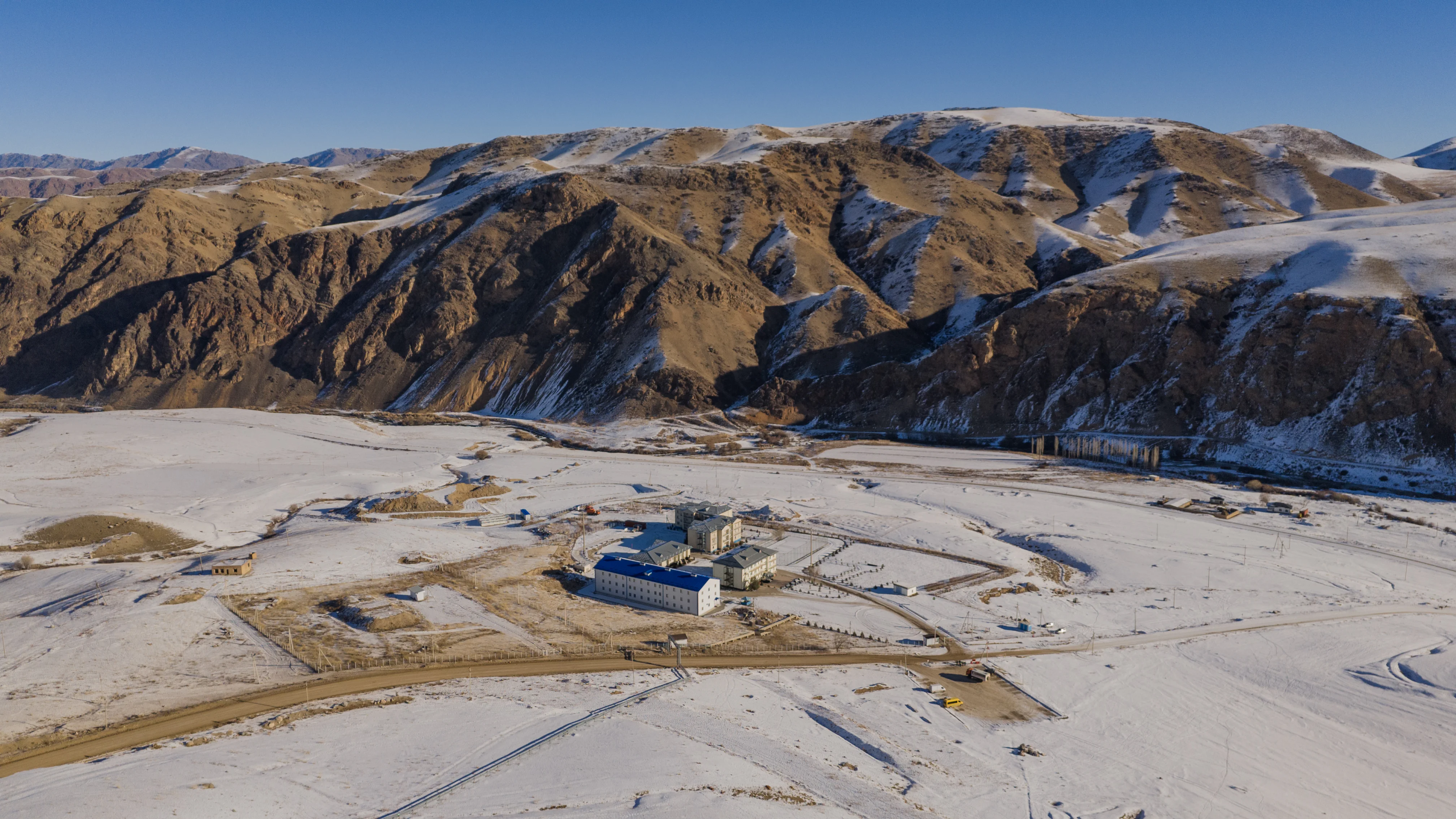
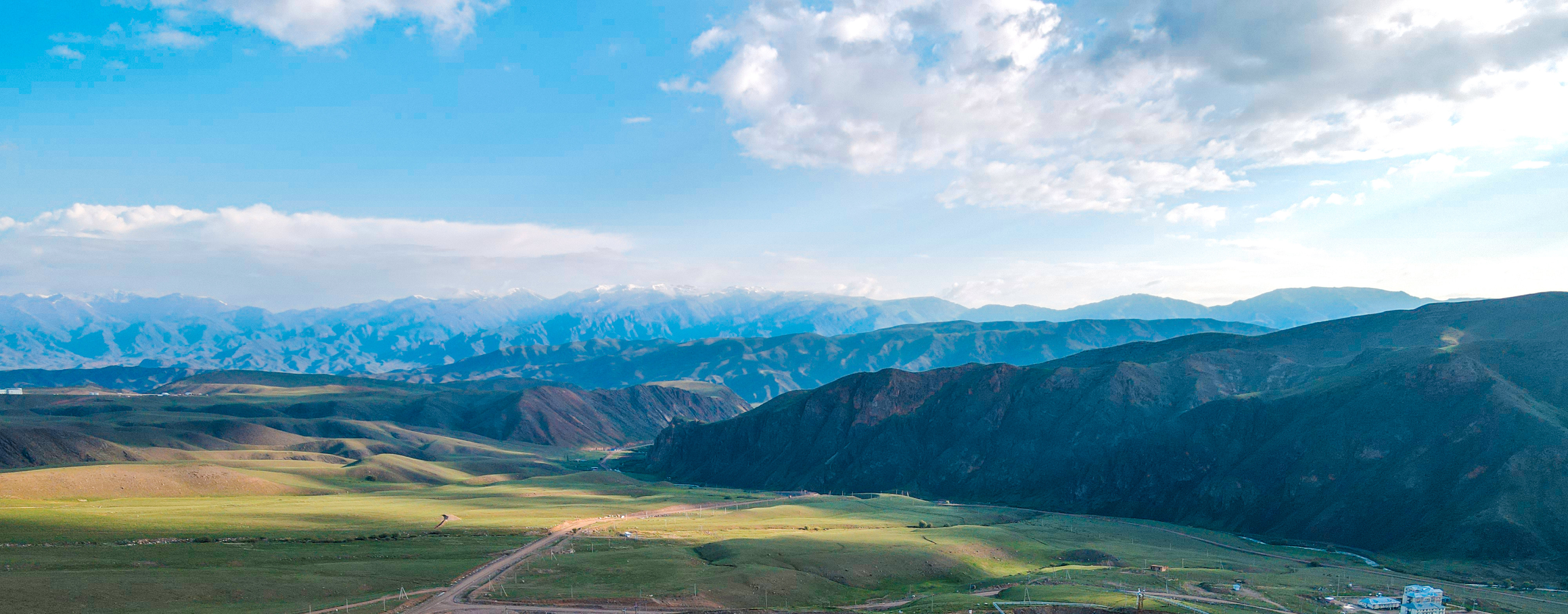

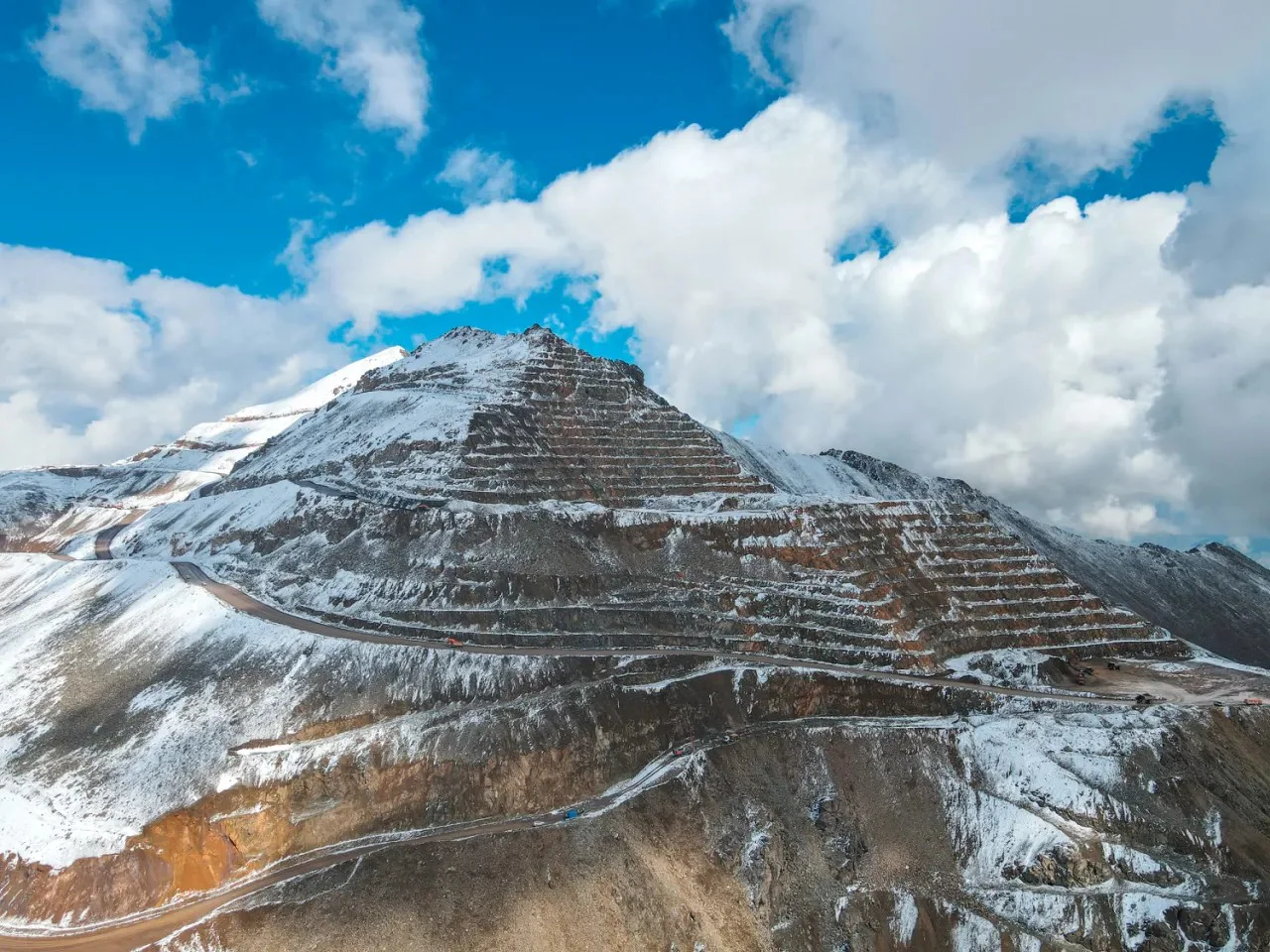
The production cycle at the Jerui field includes drilling and blasting operations, equipment movement, and plant operations. Technical solutions have been implemented for each stage to ensure air quality control.
- Organized emission sources are equipped with treatment systems for process gases and exhaust air with an efficiency of 85–95%.
- Use of modern diesel equipment with catalytic exhaust gas neutralization systems that reduce nitrogen oxide emissions by up to 80%.
- Dust suppression on roads and at solid mineral waste dump sites.
- Enclosing the crushed ore storage area, reducing dust emissions by 80–90%.
- Emissions control during adverse weather conditions using three operating modes, reducing pollutant concentrations by 15–60%.
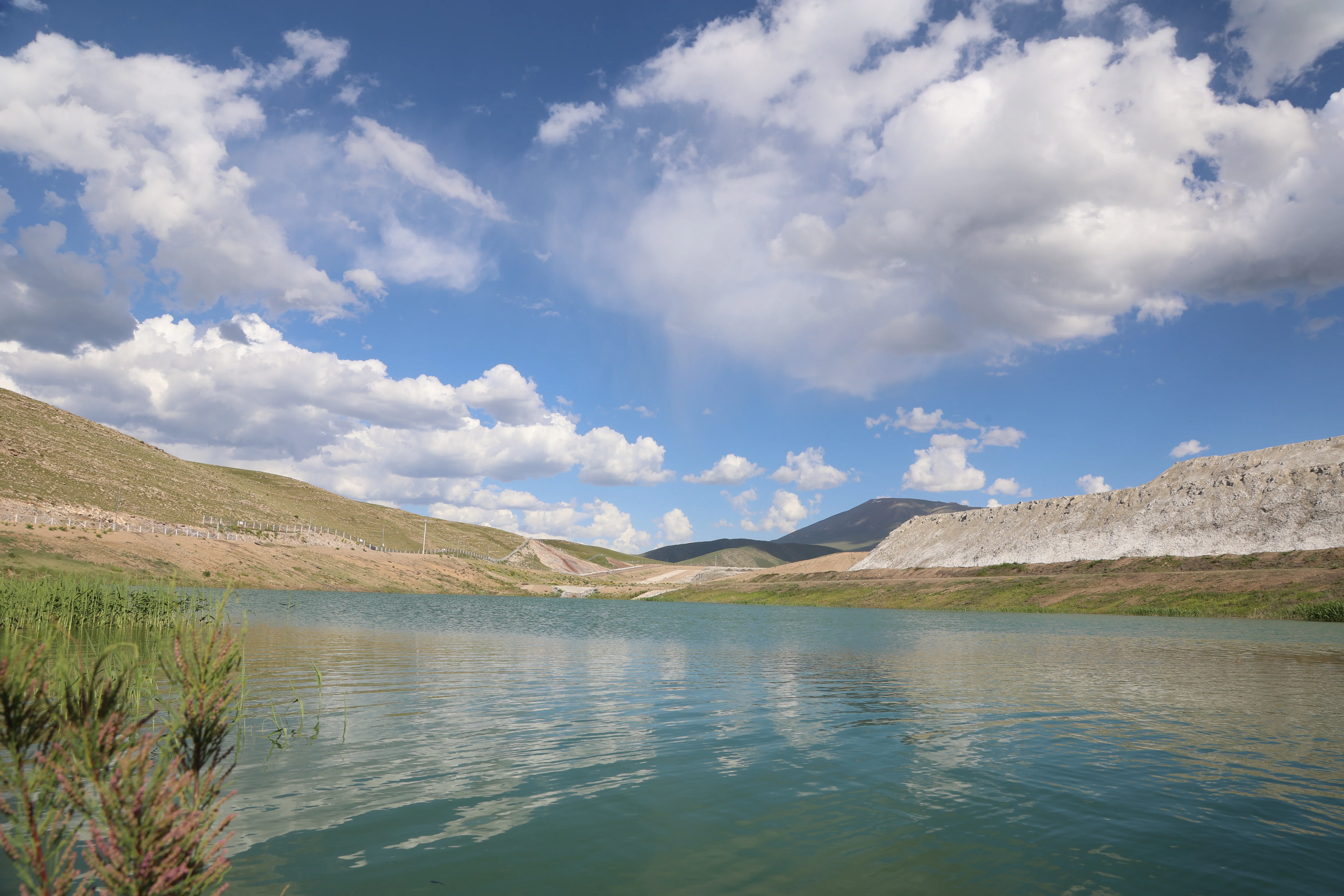
The protection of water resources in the Talas Valley is based on the principle of a closed-loop water cycle, which prevents the discharge of contaminated effluents into the region’s rivers.
- Implementation of technically sound standards for water consumption and wastewater discharge.
- Locating industrial facilities outside the boundaries of water protection zones along watercourses.
- Collection and treatment of contaminated stormwater runoff from infrastructure sites.
- Use of a waterproof barrier to protect hydraulic structures.
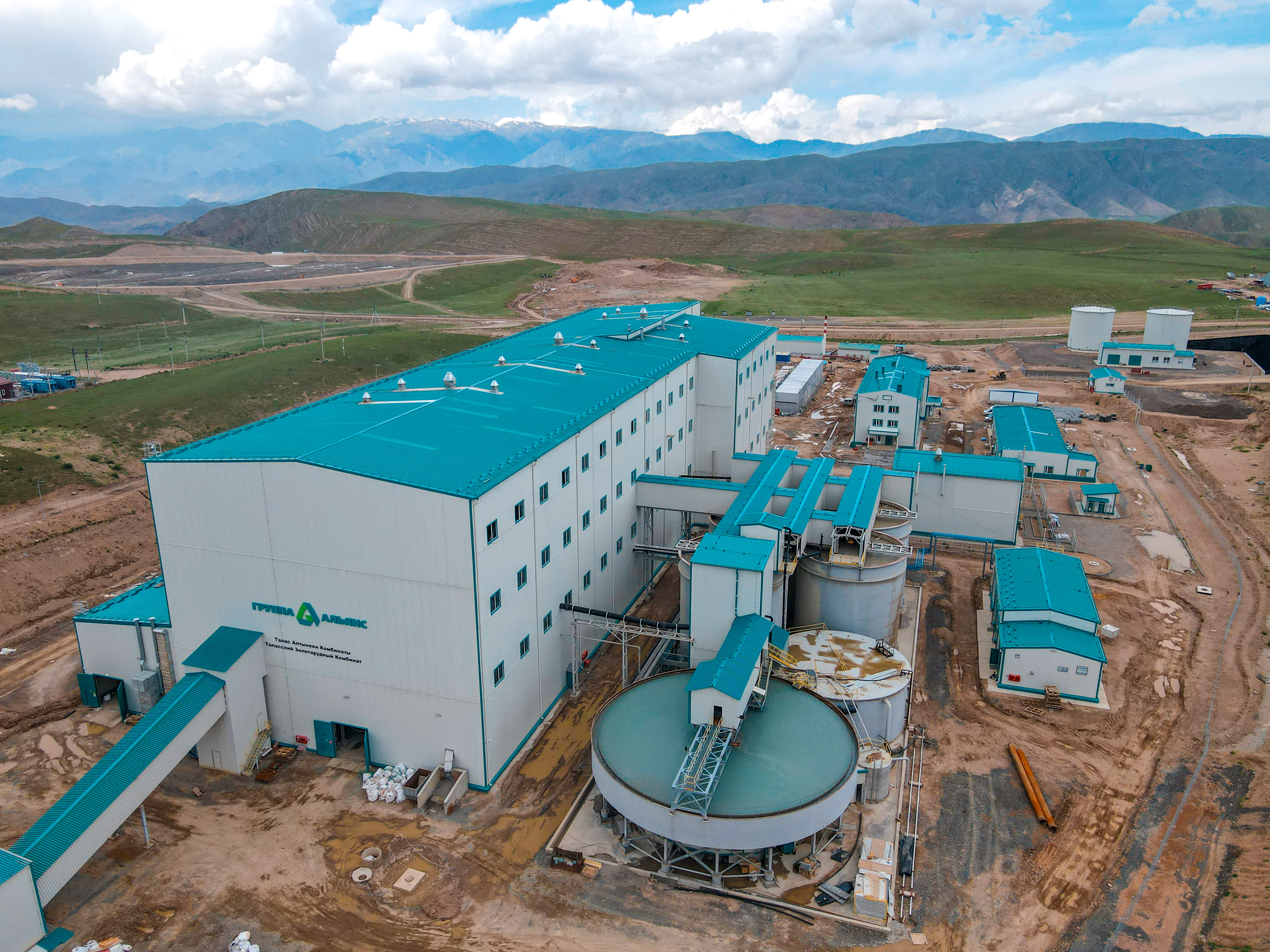
- Recirculating water supply for the gold extraction plant with zero effluent discharge.
- On-site wastewater treatment facilities capable of treating up to 65 cubic meters of wastewater per day.
- Surface water usage fees totaling 170.1 million som for the period from November 2021 to May 2026.
- Independent international monitoring of the geomembrane’s integrity using Sensor DDS Mobile and Sensor MIT technologies at every stage of tailings storage facility construction.
Open-pit and underground mining of the deposit affects land resources; therefore, the project provides for their phased restoration after mining operations are completed.
- Work will be conducted strictly within the boundaries of the project sites.
- Site grading, debris removal, and landscaping upon completion of construction work.
- Reclamation of disturbed land upon completion of mining operations, including a technical phase (preparing the land for future use) and a biological phase (restoring the soil cover after the technical phase).
- Compliance with waste management regulations.
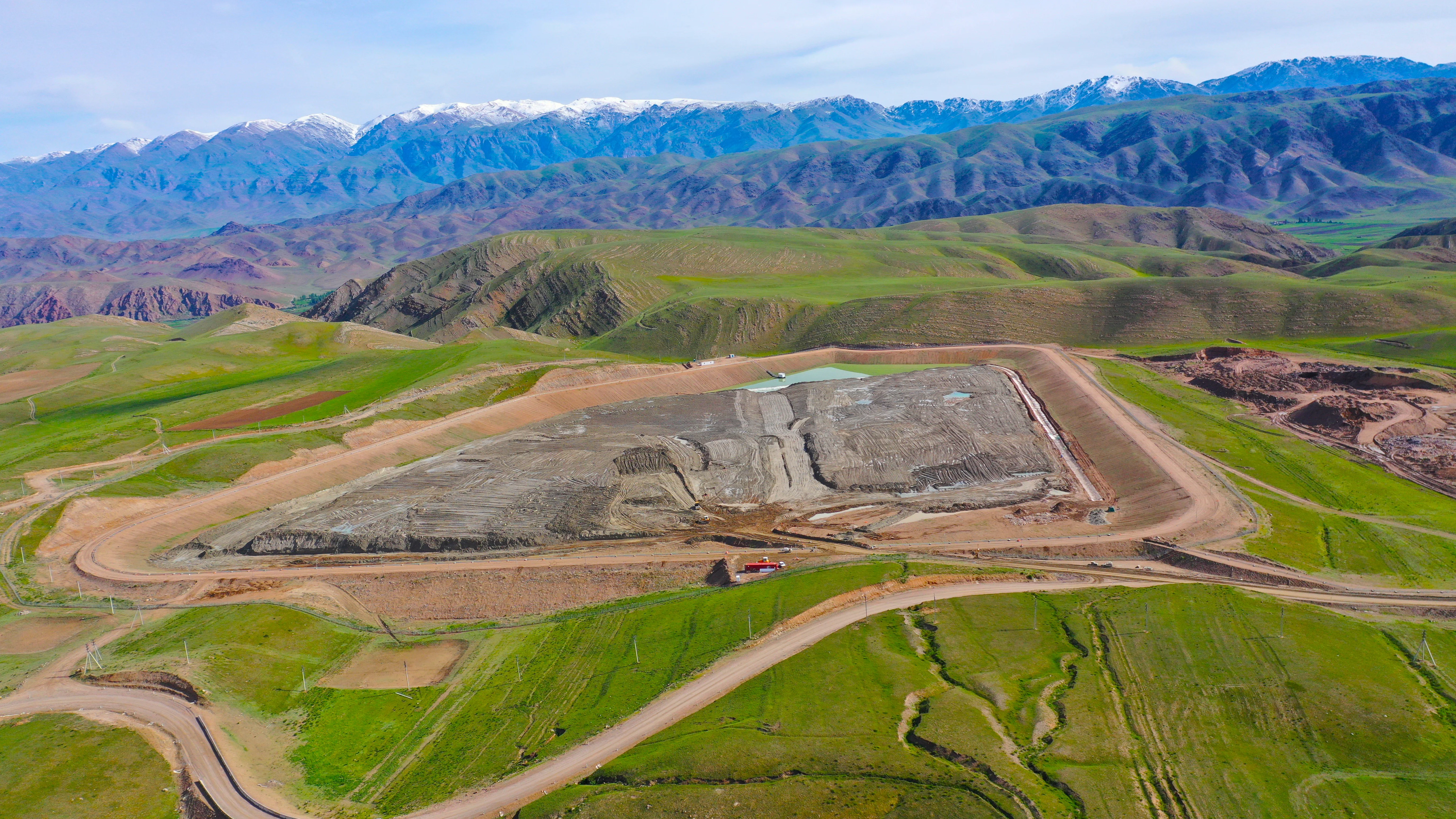
- The tailings storage facility covers an area of 64 hectares with a total capacity of 15 million cubic meters.
- Funding for reclamation work totals 93.7 million soms for the period from November 2019 to May 2026.
The region’s high-altitude ecosystem includes species listed in the Red Book of the Kyrgyz Republic; therefore, the company implements both conservation and active restoration programs to support the local fauna.
- Vehicles may only travel on specially marked roads within the project site and beyond.
- Preliminary surveys of the area for the presence of Red Book plants and their relocation, if necessary, in coordination with environmental protection authorities.
- A ban on hunting and regular anti-poaching patrols within the deposit and adjacent areas.
- Fencing around tailings storage areas and slurry pipelines to prevent wildlife from entering hazardous zones.
- Regular monitoring of wildlife using camera traps to record badgers, hares, partridges, wild boars, ibex, marmots, as well as rare Red Book species, including the Turkestan lynx, Indian porcupine, and Himalayan vulture.
- Funding the purchase of 35 marals to restore the species’ population in Kyrgyzstan, totaling 2.5 million soms.
- Support for environmental projects in the region through the company’s development fund, totaling approximately 50 million som.
View
Waste generated during ore mining and processing undergoes a multi-stage safety inspection, and some of it is recycled, thereby reducing the overall environmental impact.
- The waste is neutralized, dewatered, and stored in a semi-dry state at a specially designated site equipped with a protective waterproof barrier.
- TZRK tailings are classified as hazard class 5, the safest category according to Kyrgyzstan’s classification system; the residual moisture content of the cakes does not exceed 20%.
- The company has developed a technology for using gold mining waste to manufacture construction materials. This solution extends the tailings pond’s operational life and reduces water withdrawal from the river.
- A waste sorting line in the city of Talas, which directs up to 80% of recyclable resources toward reuse, was established with development fund support totaling 6 million soms.
- The gold recovery rate from ore at the gold processing plant was 90.97%—a high processing efficiency indicator that reduces the volume of waste per unit of output.
The company conducts ongoing, multi-level monitoring of environmental conditions across all key areas.
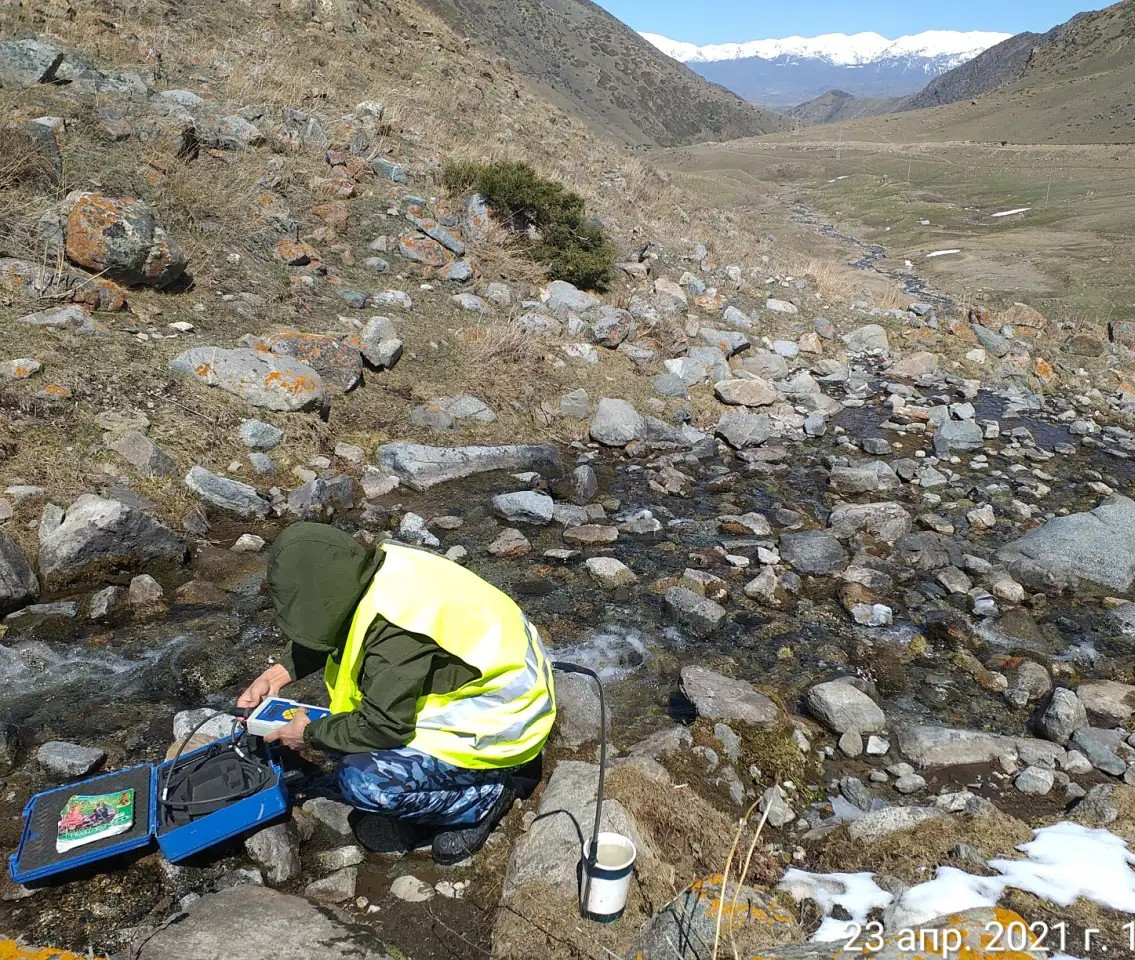
- Monitoring of surface and drinking water for chemical, bacteriological, and radiological parameters.
- Groundwater is monitored via observation wells near the solid mineral waste site.
- Monitoring of wastewater after the treatment plant and residual moisture at the waste site for chemical parameters.
- Monitoring of air quality at all facilities within the complex and in nearby settlements.
- Monitoring the condition and changes in flora, fauna, and vegetation cover.
- Monitoring of noise levels, vibrations, and background radiation.
- Meteorological monitoring using an AMC CR 1000 automated station.
- The company’s total environmental payments have reached 632.39 million soms since the project’s inception, of which 117.54 million soms were paid in 2026.

Research Programs
Fieldwork and environmental monitoring are carried out by the certified company Chuy Environmental Laboratory, LLC, which is accredited to perform these types of work. Monitoring begins at the start of construction and continues throughout the field’s operational life.